








MUSCAT, APRIL 15
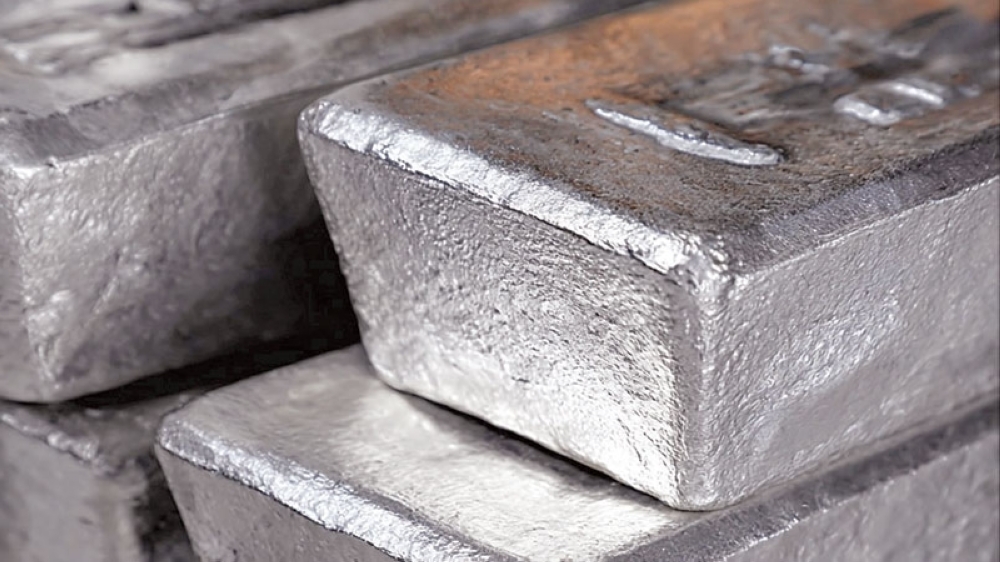
As many as three major low-carbon aluminium projects are envisaged for implementation at the Special Economic Zone at Duqm (SEZAD) in the Sultanate of Oman, underscoring the industrial hub’s growing appeal beyond green iron and steel ventures.
According to Duqm Economist, the quarterly newsletter of the Public Authority for Special Economic Zones and Free Zones (OPAZ), the proposed projects — currently in the early stages of development — will seek to leverage green hydrogen and other low-carbon energy sources slated to come on stream in the SEZ from around 2030.
Most notable is a world-scale 530,000 tonnes per annum (tpa) capacity smelter backed by CMOC Group Limited of China, with investments estimated at RO 2.4 billion. Using low-carbon technologies, the integrated complex at Duqm will also target the production of 620,000 tpa of aluminium billets and pre-cast slabs, the newsletter noted.
Luoyang-headquartered CMOC Group Limited, formerly known as China Molybdenum Company, is a globally diversified mining and metals company with a strong presence across Africa, Latin America and Asia. Listed on the Shanghai and Hong Kong stock exchanges, the company is a leading producer of critical minerals including copper, cobalt, molybdenum, tungsten and niobium — materials essential to electrification, renewable energy systems and battery technologies.
Also in the pipeline for implementation at Duqm SEZ are the Geely Green Aluminium Project and the Pearl Green Iron and Aluminium Project, in partnership with regional investors, according to the newsletter.
The Special Economic Zone says it is increasingly prioritising the development of green industries and low-carbon metals, particularly iron and aluminium, leveraging the country’s expanding green hydrogen ecosystem.
Oman has set an ambitious target to produce around 30 million tonnes of steel annually by 2050, positioning itself among the world’s top ten producers, with a quarter of output serving domestic demand. Central to this vision are hydrogen-intensive technologies such as direct reduced iron (DRI) and hot briquetted iron (HBI), which underpin green steel production. SEZAD offers a strategic platform for integrating energy and industrial activities, helping reduce costs and attract global investment, the newsletter pointed out.
A flagship initiative is the Jindal Steel Duqm project, currently under construction with an initial capacity of 5 million tonnes per year, scalable to 10 million tonnes, alongside a major marine jetty extending 1,400 metres with a depth of 18 metres. Since agreements took effect in mid-2024, construction has progressed steadily, reaching over one-third completion by late 2025, despite ongoing technical work related to energy supply and engineering design.
Complementing this is the Meranti Green Steel project, focused on producing around 2.5 million tpa of low-carbon hot briquetted iron (HBI) for export markets. Additional initiatives involving players such as Kobe Steel — Mitsui and Vale further reinforce SEZAD’s emergence as an integrated hub for green iron and steel, supported by expanding port and hydrogen infrastructure.
Oman Observer is now on the WhatsApp channel. Click here


